
Exploring the Benefits and Uses of CBD Oil for Wellness
Understanding CBD Oil and Its Origins
What is CBD Oil?
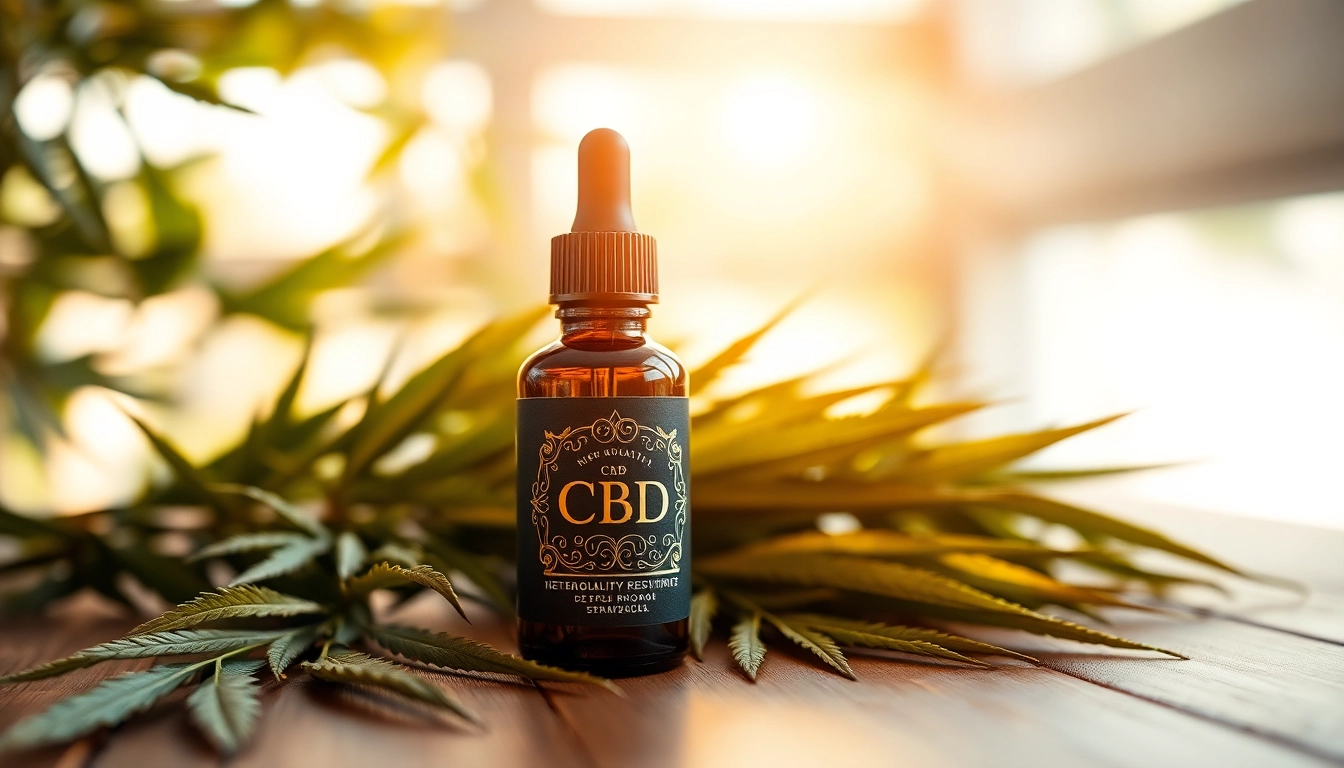
Cannabidiol, commonly known as CBD, is a naturally occurring compound derived from the cannabis plant. Unlike its more famous counterpart, tetrahydrocannabinol (THC), which is known for producing psychoactive effects, CBD is non-psychoactive, meaning it does not create a “high.” Instead, CBD Oil offers a multitude of potential therapeutic benefits, making it a popular natural remedy for various health concerns. The extraction process typically involves using the flower and leaves of the cannabis plant, which are rich in cannabinoids, terpenes, and other vital plant compounds. Increasingly, people turn to CBD Oil for pain relief, anxiety reduction, and overall wellness.
How is CBD Oil Extracted?
The extraction method used to obtain CBD Oil can greatly influence its quality, potency, and effectiveness. There are several primary methods for extracting CBD from the cannabis plant:
- CO2 Extraction: This is one of the most effective and safest extraction methods available. It uses high-pressure carbon dioxide to pull CBD and other cannabinoids from the plant material without introducing harmful solvents.
- Solvent Extraction: This method involves using solvents such as ethanol or butane to separate cannabinoids from the plant. While it can produce high yields, it carries the risk of residual solvent contaminants in the final product.
- Olive Oil Extraction: This is a simple extraction method where olive oil is heated with the cannabis plant material to extract CBD. Although this method is safer and more accessible, it results in a less concentrated oil, which may have a shorter shelf life.
Each extraction method has its merits and drawbacks, and consumers should be informed about the processes used to ensure they choose high-quality CBD Oil.
Legal Status of CBD Oil in the U.S.
The legal landscape surrounding CBD Oil in the United States has evolved rapidly in recent years. Following the passage of the Farm Bill in 2018, hemp-derived CBD became federally legal as long as it contains less than 0.3% THC. However, laws can vary widely from state to state, and certain jurisdictions may impose additional regulations regarding the sale and use of CBD products. It is essential for consumers to be aware of their local regulations to avoid legal issues, ensuring that the CBD Oil they purchase is compliant with state laws.
Health Benefits of CBD Oil
Alleviating Chronic Pain with CBD Oil
Chronic pain can significantly impact an individual’s quality of life. CBD Oil has gained popularity as a natural remedy for pain relief due to its various potential anti-inflammatory and analgesic properties. Research shows that CBD interacts with the endocannabinoid system, which plays a crucial role in regulating pain and inflammation in the body. Initial studies suggest that CBD Oil may help alleviate conditions such as arthritis, multiple sclerosis, and neuropathic pain.
For those suffering from chronic pain, CBD Oil offers a promising alternative to traditional pain medications, potentially without the same risk of addiction or severe side effects.
CBD Oil and Anxiety Relief
Anxiety is a prevalent condition that affects millions worldwide. Many individuals are exploring CBD Oil as a natural approach to managing anxiety and stress. Several studies indicate that CBD may help reduce anxiety symptoms by affecting serotonin receptors in the brain. Serotonin is a neurotransmitter that plays a vital role in mood Regulation.
Some users report experiencing reduced anxiety and improved relaxation after taking CBD Oil, which may help to enhance overall mental well-being. For those looking to manage anxiety through natural means, CBD Oil could serve as a helpful addition to their wellness regimen.
Potential in Managing Seizures and Neurological Disorders
One of the most well-researched applications of CBD Oil lies in its potential to manage seizures, particularly in forms of epilepsy that are resistant to conventional treatment. The FDA has approved Epidiolex, a CBD-based medication, to treat certain types of epilepsy, marking a significant milestone in the acceptance of CBD in the medical community.
Numerous studies suggest that CBD Oil may help mitigate seizure frequency and severity in individuals with epilepsy and other neurological disorders. The mechanisms through which CBD works are not yet fully understood but are thought to involve modulation of neuronal excitability and inflammation.
How to Use CBD Oil Effectively
Recommended Dosage for Beginners
Finding the right dosage of CBD Oil can be a personalized journey, especially for beginners. Factors such as body weight, individual biochemistry, and the specific condition being treated can influence the optimal dosage. For those new to CBD, starting with a low dose (typically 5-10 mg) and gradually increasing it may be the most effective approach. Keeping a journal to track dosage and its impacts can help in determining individual efficacy and tolerance.
Different Methods of Consumption
CBD Oil can be consumed in various ways, each with its onset time and bioavailability. Common methods include:
- Sublingual: Placing CBD Oil under the tongue allows for quick absorption into the bloodstream, providing faster effects compared to other methods.
- Capsules: CBD capsules provide a convenient and tasteless option for daily consumption, though they may take longer to take effect.
- Edibles: CBD-infused foods and beverages offer a delicious way to consume CBD, but the onset time may vary based on digestion.
- Topicals: CBD-infused lotions and balms can be applied directly to the skin, targeting localized pain areas without systemic effects.
Considering personal preferences and lifestyle can help individuals select the best method for incorporating CBD Oil into their routine.
Combining CBD Oil with Other Treatments
CBD Oil can be integrated with other treatment modalities to enhance its effectiveness. For example, using CBD Oil alongside physical therapy may improve pain management and mobility for those recovering from injuries. Additionally, combining CBD Oil with mindfulness practices, such as meditation or yoga, can amplify its calming effects. However, it is crucial to discuss any combinations with a healthcare professional to ensure safety and efficacy.
Possible Side Effects and Considerations
Common Side Effects of CBD Oil
While many individuals tolerate CBD Oil well, some may experience side effects, particularly at higher doses. Common side effects can include:
- Fatigue or drowsiness
- Diarrhea
- Altered appetite
- Dizziness
Being aware of these potential side effects allows users to approach CBD Oil cautiously, adjusting dosages as needed.
Drug Interactions to Be Aware Of
CBD Oil can interact with certain medications, particularly those that carry a “grapefruit warning,” as they may impact liver enzymes involved in drug metabolism. Individuals taking medications such as blood thinners, anti-epileptic drugs, or anti-anxiety medications should consult with their healthcare provider before starting CBD Oil. Regular monitoring after initiating CBD can help prevent adverse effects.
Consulting with Healthcare Professionals
Before beginning any new supplement, including CBD Oil, consulting with a healthcare provider is paramount. They can provide personalized advice based on individual health conditions and medications. For individuals with chronic health issues or those who are pregnant or nursing, professional guidance is essential to ensure safety and efficacy.
Future of CBD Oil in Health and Wellness
Emerging Research and Trends
The future of CBD Oil is promising, driven by ongoing research and increasing public interest in cannabis-based therapies. Studies are investigating its potential effects on a wide range of conditions, including cancer-related symptoms, neurodegenerative diseases, and metabolic disorders. As more clinical evidence emerges, CBD Oil may gain recognition in mainstream healthcare.
Market Outlook for CBD Oil Products
The market for CBD Oil products has witnessed significant growth in recent years and is expected to continue expanding. This surge is driven by heightened awareness of its potential benefits and the increasing acceptance of hemp derivatives. As the market matures, consumers will likely see a greater variety of CBD Oil products with specific formulations tailored to various health needs.
Personal Stories: Transformative Effects of CBD Oil
Numerous individuals have shared their experiences with CBD Oil, highlighting its transformative effects on their lives. From managing chronic pain to alleviating anxiety, personal stories vividly illustrate the many benefits of this versatile compound. These testimonials emphasize the individual nature of CBD’s effectiveness while also encouraging further exploration and research into its applications.