Understanding CBD: Health Benefits and Therapeutic Applications
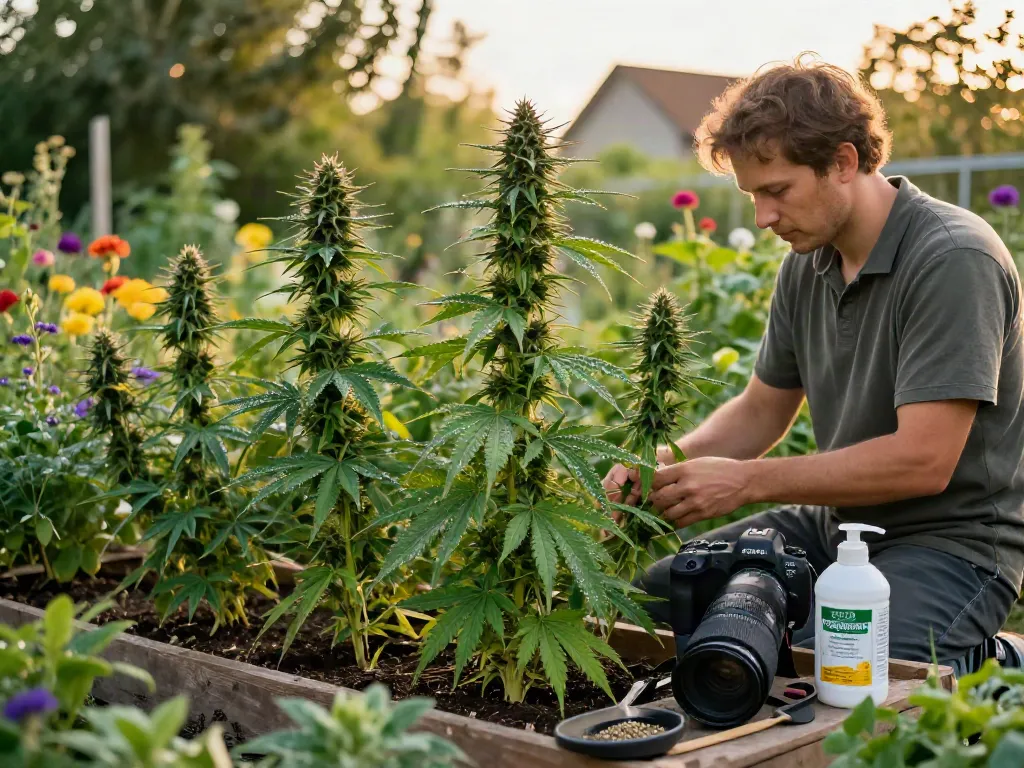
As the wellness community continues to explore alternative and natural remedies, CBD (cannabidiol) has emerged as a prominent player in the world of holistic health. Derived from hemp, CBD offers a diverse array of potential health benefits, contributing to mental and physical wellness. Many users report experiences of enhanced relaxation, improved sleep quality, and reduced anxiety levels. This article will delve deep into the health benefits and therapeutic applications of CBD, while also examining how it interacts with the endocannabinoid system (ECS) of the human body.
What are the health benefits of CBD?
CBD is known for its wide-ranging health benefits, supported by a growing body of scientific research. Some of the key benefits include:
- Anxiety and Stress Management: CBD has been shown to offer anxiolytic effects, helping to alleviate symptoms of anxiety and stress. Studies indicate that it may interact with serotonin receptors in the brain, which can improve mood and promote feelings of calmness.
- Sleep Quality Improvement: Many users turn to CBD to improve their sleep patterns. Its potential sedative effects can help individuals fall asleep faster and sustain deeper sleep cycles.
- Pain and Inflammation Reduction: CBD is recognized for its anti-inflammatory properties. It can provide relief from chronic pain, whether originating from conditions like arthritis or from injury recovery.
- Focus and Mental Clarity: Some users report enhanced concentration and mental clarity, indicating that CBD may assist in improving cognitive function.
- Post-Workout Recovery: Athletes and fitness enthusiasts are increasingly using CBD for its potential to reduce exercise-induced inflammation and aid in faster recovery post-workout.
How does CBD interact with the endocannabinoid system?
The ECS plays a crucial role in maintaining homeostasis within the body and is involved in regulating various physiological processes. It consists of cannabinoid receptors (CB1 and CB2), endocannabinoids, and enzymes that synthesize and degrade these compounds. CBD primarily interacts with CB1 and CB2 receptors, influencing their activity. Unlike THC (tetrahydrocannabinol), CBD does not bind directly to these receptors but instead modulates their activity, potentially leading to beneficial effects on mood, pain perception, and immune function. This interaction underscores the significance of CBD as a natural therapeutic agent.
Therapeutic uses of CBD in stress relief and relaxation
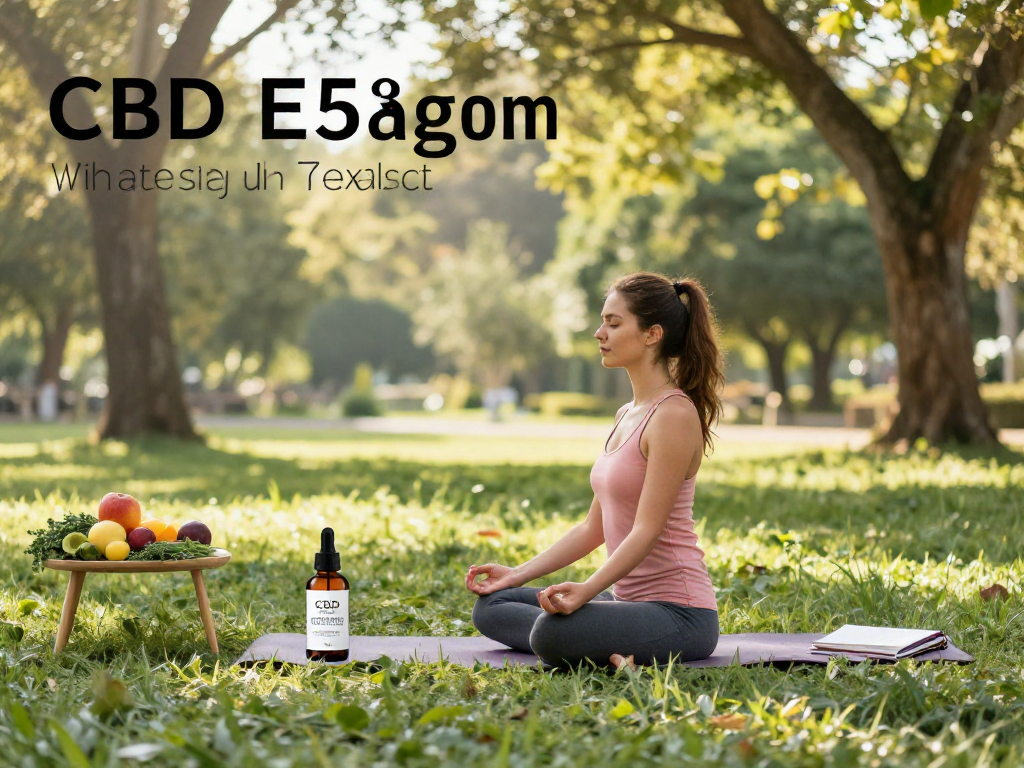
Numerous studies have explored the relationship between CBD and stress relief. Preliminary research suggests that CBD may reduce the levels of cortisol—a hormone associated with stress—thereby facilitating a state of relaxation. Users have reported that consuming CBD in various forms, such as oils or edibles, has helped them cope with daily stressors effectively. For those seeking solutions to enhance tranquility and reduce anxiety, exploring options on top shelf flower delivery services can provide high-quality CBD products tailored for relaxation.
Exploring Different Product Types and Delivery Methods
Within the CBD market, a plethora of product types are available, each offering distinct delivery methods and experiences. It's essential to understand these options to choose the most suitable one for individual needs and preferences. This section will compare various forms of CBD products, including oils, edibles, topicals, and vape products.
Comparing oils vs. edibles: what to choose?
CBD oils and edibles (like gummies or capsules) are among the most popular forms of CBD. Oils usually come in tincture form, allowing for direct sublingual absorption, which can result in higher bioavailability and faster onset of effects—typically within 15-30 minutes. In contrast, edibles undergo metabolic processing, leading to delayed effects that might take up to two hours to manifest.
When evaluating which product to select, considerations such as onset time, dosing accuracy, and personal preferences for convenience should guide the decision. For example, if rapid relief is desired, oils may be preferable, while edibles are more discreet for those who wish to enjoy CBD on-the-go.
Vaping vs. topical applications: benefits and considerations
Vaping CBD allows for rapid absorption via the lungs, with users experiencing effects almost instantaneously. Vape products come in various forms, including cartridges, disposables, and refillable systems. This method is highly effective for those seeking immediate relief, but it may not be suitable for everyone, especially those with respiratory conditions.
Additionally, topical applications provide an alternative for localized relief. CBD-infused creams, balms, and patches can penetrate the skin and interact with cannabinoid receptors in the area of application, offering targeted relief from pain and inflammation without entering the bloodstream. Users should consider their specific needs when choosing between these methods.
Innovative CBD products available in the market
The CBD market is continually evolving, leading to the development of innovative products. This includes CBD-infused beverages, beauty products, and even CBD pet treats. Each of these offers unique benefits and appeals to different demographics. For instance, CBD beverages provide a fun and refreshing way for individuals to incorporate cannabinoids into their routine. Exploring new and creative options can enhance user experiences and expand the ways in which CBD can be integrated into daily life.
Dosing Guidelines: How to Calculate Proper CBD Dosage
Dosing CBD is crucial for maximizing its therapeutic effects while minimizing potential side effects. Because individual responses to CBD can vary widely, understanding how to calculate appropriate dosage is essential for effective use.
Understanding milligrams: How much CBD should you take?
When dosing CBD, it's important to consider factors such as body weight, metabolism, and the severity of the condition being treated. A common recommendation is to start with a low dose, typically between 5 to 10 milligrams, and gradually increase it every few days until the desired relief is achieved. For individuals weighing more than 200 pounds, a higher starting dose may be appropriate.
Titration tips for optimal therapeutic effects
Titration is the process of adjusting the dosage of CBD to find the optimal amount for each individual. This method allows users to assess their response to the compound and fine-tune dosages accordingly. Maintaining a consistent daily regimen whilst tracking effects can help users determine their ideal dosage, promoting a more personalized approach to CBD consumption.
Factors affecting individual CBD responses
Individual factors, such as genetic makeup, existing health conditions, and concurrent medications, can all contribute to how one's body responds to CBD. Additionally, the method of consumption also affects how quickly and efficiently the body can utilize the compound. Users should consider these factors and consult with a healthcare professional when determining their dosing regimen, especially if they have existing health concerns or are taking other medications.
Quality Indicators: Ensuring Safe and Effective Products
As the CBD industry grows, ensuring product quality and safety has become paramount. Consumers must be informed about how to identify high-quality products and avoid counterfeit or subpar options.
How to read Certificates of Analysis (COA)
A Certificate of Analysis (COA) provides essential information regarding a product's composition, including cannabinoid content, terpenes, and the presence of contaminants. Consumers should always request or check for a COA when purchasing CBD products, ensuring transparency from brands. Reading and understanding COA documents can help users verify the potency and safety of the products they choose.
Importance of third-party testing and certification
Third-party testing is a critical aspect of quality assurance. Independent laboratories analyze CBD products for potency, purity, and safety. Brands that prioritize third-party testing demonstrate a commitment to transparency and product integrity. Consumers should look for products that have been tested extensively for contaminants such as pesticides, heavy metals, and solvents. This additional layer of verification fosters trust in consumers and helps them make informed purchasing choices.
Identifying reputable brands in the CBD industry
Reputable brands consistently prioritize quality, transparency, and ethical sourcing. Research methods of extraction used, such as CO2 extraction or ethanol extraction, to ensure that the products are derived without harmful solvents. Look for companies that have a clear mission statement and commitment to sustainable practices. Engaging with customer reviews and feedback can also provide insight into brand reliability and product effectiveness.
Legal Considerations: Navigating CBD Regulations in 2026
Understanding the legal landscape surrounding CBD is crucial for consumers and businesses alike. As regulations continue to evolve, staying informed is key to ensuring compliance and safety.
Current regulations on CBD products and sales
Under the 2018 Farm Bill, hemp-derived CBD products containing less than 0.3% THC are federally legal in the United States. However, regulations can vary by state, and consumers should be aware of specific local laws regarding CBD sales, possession, and use.
Understanding THC limits and legality
The federal limit for THC in hemp-derived CBD products is 0.3%. Exceeding this threshold classifies the product as marijuana, which retains stricter legal limitations. It is imperative for consumers to check local laws and regulations when purchasing CBD products to ensure legality.
Future of CBD legislation and consumer rights
As the CBD market expands, future legislation is anticipated to evolve, addressing consumer safety and rights. Consumers should remain informed and engaged regarding policy developments that may impact the accessibility and regulation of CBD products.
What is the difference between CBD and THC?
CBD and THC are both cannabinoids found in the cannabis plant, but they have distinct differences. THC is the psychoactive compound that produces the "high" associated with marijuana, while CBD is non-intoxicating and is primarily recognized for its therapeutic properties. Understanding these differences is important for users who wish to navigate their choices effectively.
Can I travel with CBD products?
Traveling with CBD products can be complicated due to varying laws and regulations across states and borders. It is recommended to check local laws and airline policies before traveling with CBD products to avoid potential legal issues. Generally, products containing less than 0.3% THC are seen as legal for travel within the United States, but regulations may differ when crossing international borders.
How to ensure CBD compliance when purchasing?
Ensuring compliance involves selecting reputable brands, reviewing COAs, and understanding local regulations surrounding CBD products. Consumers should prioritize purchasing from brands that perform third-party testing and provide clear information about their sourcing and extraction methods.
Health & Wellness Content
Understanding the potential therapeutic applications of CBD is essential for those considering its use. This section explores various wellness benefits supported by research, helping readers make informed decisions about incorporating CBD into their health regimens.
Potential therapeutic applications (research-backed)
Numerous studies have highlighted CBD's potential in various areas of health and wellness. Here are some researched applications:
- Anxiety Relief: Research indicates that CBD may reduce anxiety in both animal and human studies, alleviating symptoms of social anxiety disorder and generalized anxiety.
- Sleep Disorders: Studies suggest that CBD may enhance sleep quality, particularly for those suffering from insomnia and related disorders.
- Chronic Pain Management: Evidence points to CBD's effectiveness in managing chronic pain, reducing inflammation and discomfort associated with conditions such as fibromyalgia and arthritis.
- Neuroprotection: Preliminary research suggests that CBD offers neuroprotective properties, potentially benefiting those with neurodegenerative conditions.
- PTSD Treatment: Some studies have shown CBD’s promise in helping manage PTSD symptoms, aiding in overall stress relief and emotional wellbeing.
Explaining the endocannabinoid system (ECS) and how CBD interacts with it
The ECS is an intricate cell-signaling system involved in maintaining homeostasis. By interacting with cannabinoid receptors in the ECS, CBD helps regulate many processes, including mood, appetite, and pain sensation. A well-functioning ECS is integral to overall health, and supplementing with CBD may help support its operations.
Addressing bioavailability differences between delivery methods
Bioavailability refers to the proportion of a substance that enters the bloodstream when introduced into the body. Different delivery methods yield varying bioavailability rates. For instance, sublingual oils provide higher bioavailability compared to edibles, making them a favored option for many users seeking immediate effects.
Discussing onset time and duration of effects for different products
Onset time and the duration of effects are important considerations when choosing a CBD product. Oils typically work within 15-30 minutes, while edibles can take up to two hours to kick in. Understanding the longevity of effects can help users plan usage according to their needs, such as during high-stress periods or before bedtime.
Covering proper storage methods to maintain potency
To ensure CBD products retain their efficacy, proper storage is vital. It is recommended to keep products in a cool, dark place away from direct sunlight and moisture. Additionally, sealing products tightly can prevent oxidation and degradation, maintaining potency over time.
Explaining shelf life considerations
The shelf life of CBD products varies based on formulation and storage conditions. Typically, oils can last 12-24 months, while edibles may have shorter shelf lives ranging from 6 months to 1 year. Always check expiration dates and be mindful of storage recommendations to ensure maximum effectiveness.
Safety & Compliance
While CBD holds significant therapeutic potential, it’s important to use these products responsibly. Below, we highlight key safety considerations and compliance guidelines to keep in mind during use.
Include mandatory FDA disclaimers throughout
All CBD products should feature disclaimers clarifying that "these statements have not been evaluated by the Food and Drug Administration" and that "this product is not intended to diagnose, treat, cure, or prevent any disease." It is also essential to "consult with a healthcare professional before using CBD products," especially for those with pre-existing health conditions or those taking other medications.
Address potential side effects and contraindications
Common side effects experienced by some users may include drowsiness, dry mouth, and digestive changes. CBD may interact with certain medications, such as blood thinners and anti-seizure drugs. Pregnant or breastfeeding women should also exercise caution and consult a healthcare provider prior to use.
Discuss drug testing concerns (THC traces in full-spectrum products)
Users concerned about drug testing should be mindful that full-spectrum CBD products contain trace amounts of THC, which may result in a positive drug test. Opting for THC-free or broad-spectrum products can help mitigate this risk, but individuals should always assess their specific circumstances before selecting a product.
Age restrictions and responsible use messaging
Most states impose age restrictions on CBD product purchases. Users must be at least 18 or 21 years old, depending on local laws. Additionally, education around responsible usage is vital for preventing misuse among younger individuals.
Quality control and counterfeit product warnings
As the market expands, instances of counterfeit products may emerge. Users should prioritize reputable brands, scrutinize COAs, and remain vigilant for red flags that indicate low-quality products. Ensuring product quality through informed purchasing decisions is essential for maximizing the benefits of CBD.
Content Quality & Depth
Providing accurate, evidence-based information empowers consumers to make informed decisions in their CBD journey. The articles discussed above offer clear and ethical insights into CBD, enhancing overall consumer awareness and safety.
Providing evidence-based wellness information with scientific backing
Referring to scientific studies and recognized health sources lends credibility to the wellness claims surrounding CBD. Articles should be grounded in solid research to aid consumers in making educated decisions regarding their wellness products.
Including realistic examples and user scenarios
Real-world examples and user experiences enrich content by illustrating the practical applications of CBD. Sharing anecdotes can help readers relate to the material and visualize potential outcomes.
Explaining technical concepts in accessible, layperson terms
Although CBD and cannabinoid terminology can be complex, breaking down terms in simple language makes the subject approachable for all audiences. Clear explanations prevent confusion and help bolster consumer confidence.
Offering actionable tips readers can immediately implement
Actionable tips—such as dosing guidelines, storage recommendations, and method selection—provide readers valuable information they can immediately apply in their CBD usage, translating theory into practice effectively.
Comparing different product types, brands, or methods objectively
Consumers are empowered when they can make informed comparisons among products. Highlighting the pros and cons of different types of CBD and vaping options equips individuals to make choices that best suit their personal needs.
Including current 2026 CBD/vaping industry trends and updates
The CBD and vaping industry is dynamic, with trends rapidly evolving. Keeping readers informed about the latest advancements, products, and consumer preferences enhances their understanding of where the industry stands and where it is heading.
Addressing both CBD and vaping topics where relevant
As the lines between CBD and vaping products blur, addressing both topics allows consumers to explore their full range of options integrating modern wellness practices into their lives.
Maintaining educational, trustworthy tone - no hype or exaggerated claims
Promoting a trustworthy perspective on CBD and wellness products is pivotal for building consumer confidence. Avoiding marketing hyperbole while emphasizing education creates a responsible narrative that audiences will respect and engage with.
Never guarantee specific health outcomes
While discussing potential benefits, it's essential to communicate that CBD does not guarantee specific health outcomes. Each individual's experience may vary, and it is important to approach CBD with realistic expectations.
Focusing on informed decision-making and quality awareness
Ultimately, encouraging consumers to make informed decisions and emphasize quality awareness will foster a more knowledgeable community of CBD and wellness users. Doing so helps individuals discern the differences between high-quality and low-quality products.
SEO Optimization
Using effective SEO practices assists in reaching a broader audience and enhances the discoverability of quality wellness content. This section discusses how proper SEO strategies can increase engagement and drive traffic to informative resources in the CBD industry.
Naturally incorporating top shelf flower delivery and wellness-related semantic keywords
Integrating keywords naturally throughout the content helps improve SEO performance. By focusing on relevant terms, articles can rank higher in searches related to CBD and wellness solutions.
Including long-tail keywords: "how to use CBD oil", "best CBD dosage", "full spectrum vs isolate", "third-party tested CBD"
Long-tail keywords target specific queries from consumers seeking detailed information. Incorporating these into relevant sections increases the likelihood of reaching individuals interested in those particular topics.
Front-loading important keywords in first 100 words
Strategically placing keywords within the first 100 words of the article boosts SEO credentials and catches readers’ attention quickly.
Creating descriptive, keyword-rich headings that address user questions
Well-structured headings enhance readability and allow users to navigate quickly through articles, seeking answers to their questions. Engaging with pertinent keywords in headings also strengthens SEO performance.
Using short paragraphs for mobile readability
With the rise of mobile usage, keeping paragraphs concise (2-4 sentences) helps maintain reader engagement and improves user experience across devices.
Including bullet points and numbered lists for product comparisons or step-by-step guides
Utilizing bullet points and lists effectively organizes content and aids users in quickly scanning for key points or actionable information.
Bold key wellness terms and important safety information
Emphasizing critical terms through bold formatting highlights essential concepts, ensuring important safety information does not go unnoticed.. Additionally, nationwide online dispensary provides further details.