
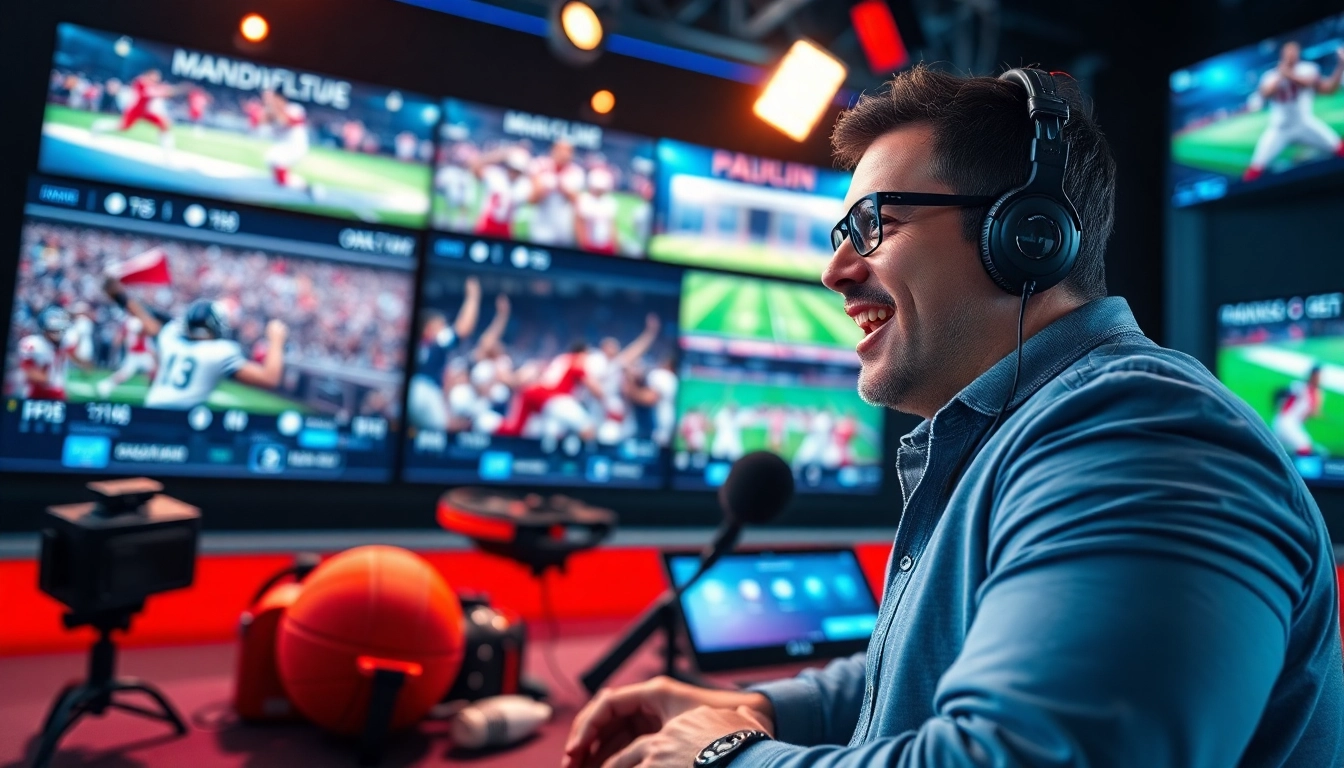
Understanding the Landscape of Sports Broadcasting
Sports broadcasting has evolved into a crucial facet of the entertainment industry, seamlessly blending storytelling, live event coverage, and audience engagement. From radio waves to streaming platforms, Sports Broadcasting encapsulates the essence of various sports, allowing fans to connect with their favorite teams and athletes in real-time. This article aims to explore the intricate ecosystem of sports broadcasting, highlighting its evolution, required skills, technological advancements, audience-building strategies, and common challenges faced by broadcasters.
The Evolution of Sports Broadcasting
The journey of sports broadcasting began with radio broadcasts in the early 20th century when games would be narrated live, allowing fans to experience the thrill from their homes. The advent of television revolutionized this landscape, marking a significant leap in how fans interacted with sports. Significant events like the 1984 Los Angeles Olympics showcased how television could bring sports into homes globally.
With digital technology, sports broadcasting has undergone a transformation in recent years, leading to the rise of online streaming platforms and social media engagement. Fans can now access real-time updates and highlights on various devices, making their sports experience more interactive than ever.
Key Components of Effective Sports Broadcasting
Effective sports broadcasting hinges on several key components:
- Engaging Commentary: Announcers must deliver captivating insights, maintaining viewer interest throughout the broadcast.
- Production Quality: High-quality visuals and sound create an immersive experience. Advanced cameras and microphones help deliver the excitement of live sports.
- Audience Interaction: Using social media and other communication channels, broadcasters can engage viewers and create a sense of community.
- Comprehensive Coverage: Providing detailed statistics, player backgrounds, and in-game analysis enhances viewer understanding and enjoyment.
Trends Shaping the Future of Sports Broadcasting
The sports broadcasting landscape continues to evolve with several emerging trends:
- Live Streaming: Services like Twitch and ESPN+ are reshaping how fans consume sports, offering instant access across devices.
- Augmented Reality (AR): Integration of AR into broadcasts enhances viewer engagement by providing interactive information overlays.
- Data Analytics: Utilizing advanced analytics for real-time statistics helps broadcasters provide deeper insights into the game.
- Personalization: Broadcasters are leveraging AI to offer tailored content based on viewer preferences, enhancing the fan experience.
Essential Skills for Sports Broadcasters
Communication Techniques for Sports Broadcasting
Strong communication skills are fundamental for sports broadcasters. Effective communication combines clarity, enthusiasm, and the ability to convey complex information in an engaging manner. Broadcasters must also adapt their style to suit different platforms, whether it is a formal TV broadcast or a casual social media update. Practicing active listening and employing storytelling techniques can significantly enhance audience engagement.
Research and Preparation for Live Events
Preparation is critical for successful sports broadcasting. Broadcasters should research teams, players, and game statistics to deliver informed commentary. This includes understanding team dynamics, historical performance, and player achievements. Conducting pre-game interviews and gathering insider insights can provide a unique perspective that adds depth to the broadcast.
Developing a Unique Broadcasting Style
A distinct broadcasting style can set a broadcaster apart in a crowded market. This could involve adopting a signature phrase, using humor, or integrating personal anecdotes that resonate with viewers. Emphasizing authenticity and relatability can help build a loyal fan base, making the broadcasting style impactful and memorable.
Equipment and Technology in Sports Broadcasting
Choosing the Right Tools for Live Coverage
The equipment used in sports broadcasting plays a crucial role in the final product. Essential tools include high-definition cameras, quality microphones, and broadcasting hardware. Depending on the scale of coverage, additional equipment like drones for aerial views or mobile reporting kits may also be considered. Evaluating the technological needs based on the type of event and audience can ensure optimal coverage and viewer satisfaction.
Utilizing Software for Enhanced Broadcasting
Broadcasters can greatly benefit from software that aids live production, graphics, and analytics. Tools like OBS Studio for streaming and editing software for post-production can enhance broadcast quality. Integrating graphics software helps in creating visually appealing overlays that provide crucial game stats without detracting from the action.
Future Technologies Impacting Sports Broadcasting
As technology progresses, the sports broadcasting industry must adapt. Innovations like AI-driven commentary and blockchain for secure rights management are gaining traction. Virtual reality experiences offer fans immersive moments that can replicate being at the venue. Staying ahead of technological trends can provide broadcasters with opportunities to enhance viewer engagement and maintain relevance in an ever-evolving industry.
Building an Audience in Sports Broadcasting
Strategies for Audience Engagement
Building a loyal audience requires conscious engagement strategies. Utilizing interactive content such as polls, Q&As, and behind-the-scenes footage can foster viewer connection. Engaging with comments during live broadcasts and encouraging audience participation creates an inclusive atmosphere that resonates with fans.
Leveraging Social Media for Growth
Social media platforms serve as powerful tools for audience growth in sports broadcasting. By sharing highlights, live updates, and engaging content, broadcasters can effectively reach and interact with their audience. Tailoring content for each platform ensures that the approach resonates with users, increasing visibility and interaction across demographics.
Understanding Audience Analytics
Performance metrics and audience analytics play a crucial role in refining broadcasting strategies. Analyzing viewer engagement, demographic data, and content performance can provide insights necessary for adjusting programming. These insights help broadcasters tailor their content to match viewer preferences, ultimately improving fan satisfaction and retention.
Challenges and Solutions in Sports Broadcasting
Common Obstacles in Live Broadcasting
Sports broadcasting is not without its challenges. Technical failures, such as equipment malfunctions or poor connectivity, can disrupt live coverage. Additionally, the unpredictable nature of live sports can lead to unexpected situations that broadcasters must navigate while maintaining professionalism.
Strategies for Crisis Management
Effectively managing crises during live broadcasting requires quick thinking and adaptability. Establishing contingency plans for technical failures and training staff to handle unplanned incidents can mitigate potential issues. Communicating transparently with viewers during unexpected events will help maintain audience trust and satisfaction.
Measuring Success and Improving Performance
Success in sports broadcasting can be measured through audience growth, engagement rates, and social media metrics. Regular performance reviews can identify areas for improvement and guide future strategies. Setting clear goals and benchmarks allows broadcasters to evaluate their effectiveness and make adjustments that enhance overall performance.
Frequently Asked Questions
1. What skills are essential for sports broadcasters?
Essential skills include strong communication, in-depth research abilities, and the capacity to develop a unique broadcasting style that resonates with audiences.
2. How has technology changed sports broadcasting?
Technology has enhanced production quality, enabled live streaming options, and allowed for more personalized viewer experiences through analytics and interactive elements.
3. Why is audience engagement important in sports broadcasting?
Engaged audiences are more likely to become loyal fans, increasing viewership, driving social media interactions, and enhancing overall content reach.
4. What are some common challenges faced in live broadcasting?
Common challenges include technical failures, unexpected events during games, and the need for timely and accurate information dissemination to viewers.
5. How can broadcasters measure success?
Success can be measured through audience growth, engagement metrics, and performance analytics, which help refine strategies and improve content delivery.