
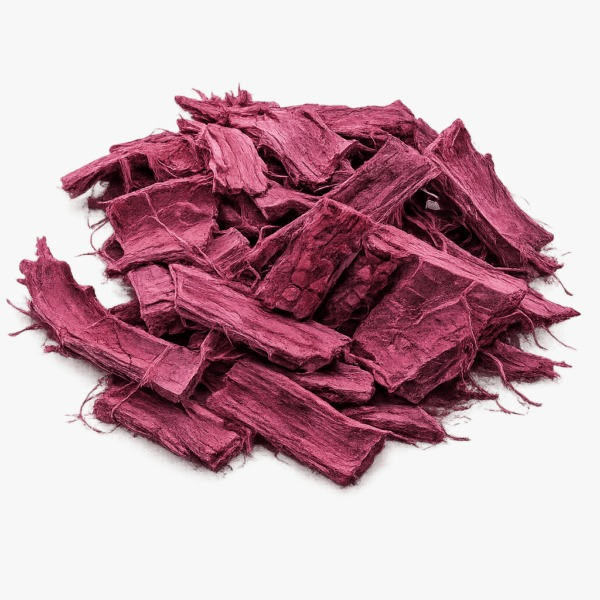
MHRB for sale is a phrase commonly encountered in discussions of botanical materials, natural-resource sourcing, and ethnobotanical research. MHRB generally refers to Mimosa hostilis root bark, associated with the species now widely known botanically as Mimosa tenuiflora. When considering MHRB for sale , responsible buyers should look beyond price and availability and examine questions of species identification, geographic origin, harvesting practices, environmental protection, and supply-chain transparency. Ethical sourcing ensures that interest in this plant does not contribute unnecessarily to ecological degradation or the loss of traditional botanical knowledge.
Understanding Mimosa Hostilis Root Bark
Botanical Identity and Taxonomy
Mimosa tenuiflora belongs to the Fabaceae family and is a thorny, woody leguminous tree native to regions of tropical and subtropical Latin America. Older publications frequently use the name Mimosa hostilis, which explains why the abbreviation MHRB remains common in botanical and commercial discussions.
The distinction between scientific synonyms and common commercial terminology is important when researching MHRB for sale. Reliable botanical information should identify the species clearly rather than depending exclusively on marketing descriptions.
Natural Distribution
Mimosa tenuiflora occurs in several areas of Latin America and is particularly associated with dry and seasonally variable environments. The plant demonstrates considerable ecological resilience and can survive conditions that may be challenging for less-adapted vegetation.
Understanding the natural habitat is an essential part of evaluating MHRB for sale because sustainable sourcing depends on knowing how plant populations grow, regenerate, and respond to environmental pressures.
Why Ethical Sourcing Matters
Protecting Wild Plant Populations
Demand for botanical materials can create pressure on naturally occurring populations when harvesting is poorly managed. Root harvesting deserves particular attention because removing roots can cause significantly more damage to an individual plant than collecting renewable above-ground material.
Anyone researching MHRB for sale should therefore consider whether the material comes from managed cultivation, responsibly monitored populations, or poorly documented wild harvesting. Transparent sourcing helps distinguish environmentally responsible suppliers from businesses that provide little information about their supply chains.
Supporting Responsible Communities
Ethical botanical sourcing can also involve the people who live near the plant's natural habitat. Local communities may possess generations of ecological knowledge about native vegetation, seasonal cycles, and land management.
Responsible MHRB for sale practices should respect local communities rather than treating botanical resources solely as commodities. Fair business relationships, accurate origin information, and respect for applicable laws are important components of an ethical supply chain.
Botanical Research and Scientific Documentation
Importance of Accurate Identification
Scientific research depends on correct species identification. Misidentified plant material can compromise ecological studies, historical research, and laboratory investigations.
When evaluating MHRB for sale, researchers should look for documentation that identifies Mimosa tenuiflora and explains the terminology used by the supplier. Botanical references, herbarium records, geographical information, and credible taxonomic resources can provide useful context.
Studying the Whole Species
Research should not focus exclusively on the root bark. Scientists can examine Mimosa tenuiflora through several perspectives, including morphology, habitat, regeneration, soil relationships, biodiversity, and ecological adaptation.
This broader approach makes MHRB for sale part of a larger botanical research conversation rather than reducing the species to a single commercial product. Understanding the complete plant can contribute to improved conservation strategies and more responsible resource management.
Evaluating an Ethical Supply Chain
Origin and Traceability
One of the most important questions surrounding MHRB for sale is where the material originated. A transparent supplier should be able to provide meaningful information about geographic sourcing without making vague or unverifiable claims.
Traceability can include information about the country or region of origin, harvesting model, processing practices, and supply-chain partners. Documentation becomes especially important when botanical materials are sold internationally.
Harvesting Practices
Root-bark harvesting can affect individual plants and potentially influence natural regeneration. Sustainable management therefore requires consideration of population health, harvesting frequency, regeneration rates, and local environmental conditions.
A responsible MHRB for sale supplier should prioritize conservation rather than encouraging indiscriminate collection. Buyers can support better practices by choosing businesses that communicate clearly about sustainability and legal compliance.
Quality and Responsible Botanical Commerce
What Buyers Should Look For
Quality assessment should begin with accurate labeling and clear botanical information. A professional supplier should avoid misleading descriptions and should distinguish scientific facts from traditional or commercial claims.
For consumers researching MHRB for sale, useful questions include whether the species is clearly identified, whether origin information is available, whether packaging is properly labeled, and whether the supplier provides relevant safety and legal information.
Avoiding Unsupported Claims
Botanical products are sometimes marketed using exaggerated claims about historical significance, environmental benefits, or traditional applications. Such statements should be treated carefully unless supported by credible evidence.
Good botanical commerce relies on transparency. When discussing MHRB for sale, suppliers should communicate what is known, what is uncertain, and what documentation is available rather than presenting speculation as established fact.
Environmental Conservation
Regeneration and Habitat Protection
Mimosa tenuiflora is recognized for its ability to tolerate difficult environmental conditions, but resilience does not mean that natural populations are immune to excessive harvesting or habitat destruction.
Conservation programs can include habitat protection, ecological monitoring, cultivation, restoration initiatives, and research into natural regeneration. These approaches can help reduce unnecessary pressure on wild populations.
Cultivation as a Conservation Strategy
Where legally and ecologically appropriate, cultivation may provide an alternative to uncontrolled wild collection. Managed production allows growers to monitor plant health and potentially reduce pressure on naturally occurring populations.
For businesses involved in MHRB for sale, cultivation and documented sustainable sourcing can form part of a longer-term environmental strategy. The goal should be maintaining healthy plant populations while meeting legitimate botanical and research needs.
Ethical Research Practices
Respecting Traditional Knowledge
Ethnobotanical research often intersects with Indigenous and local knowledge. Researchers should avoid presenting traditional knowledge as an unrestricted commercial resource.
Ethical research involves accurate attribution, cultural sensitivity, appropriate permissions where required, and recognition of the communities associated with botanical knowledge. These principles are relevant whenever MHRB for sale is discussed in historical or ethnobotanical contexts.
Following Applicable Laws
Botanical materials can be subject to different regulations depending on the country, intended use, import requirements, and plant status. Buyers and sellers should independently verify the laws applicable to their jurisdiction.
Responsible businesses should not encourage customers to circumvent regulations. Instead, MHRB for sale should be handled through lawful channels with appropriate documentation and transparent product descriptions.
Building a More Sustainable Future
The future of MHRB for sale depends on balancing commercial interest with environmental responsibility. Increased demand can create economic opportunities, but those opportunities should not come at the expense of native ecosystems or local communities.
Suppliers can contribute by improving traceability, supporting sustainable cultivation, documenting geographic origins, and educating customers about responsible botanical purchasing. Researchers can contribute through ecological studies, taxonomic work, and conservation research.
Consumers also have an important role. Choosing transparent suppliers and asking questions about sourcing can encourage better practices throughout the botanical industry.
Frequently Asked Questions
1. What does MHRB for sale mean?
MHRB for sale generally refers to commercially available Mimosa hostilis root bark, with Mimosa tenuiflora being the modern botanical name commonly associated with the species. Buyers should verify species identity and applicable regulations.
2. Why is ethical sourcing important for MHRB?
Ethical sourcing helps reduce unnecessary pressure on wild plant populations and encourages responsible relationships with local communities. Transparent supply chains can also provide better information about origin and harvesting practices.
3. How can I evaluate an MHRB for sale supplier?
Look for clear botanical identification, transparent origin information, responsible sourcing policies, accurate labeling, and compliance with applicable laws. Avoid suppliers that make unverifiable environmental or botanical claims.
4. Is cultivated sourcing better than wild harvesting?
Cultivation can reduce pressure on wild populations when it is properly managed and environmentally appropriate. However, sustainability depends on actual cultivation practices, resource use, land management, and ecological conditions.
5. Why is botanical research important?
Botanical research improves understanding of plant taxonomy, ecology, distribution, regeneration, and conservation. Research can also help preserve accurate information about species such as Mimosa tenuiflora and their natural habitats.
Conclusion
MHRB for sale represents more than a commercial search term; it connects botanical commerce with questions of taxonomy, environmental stewardship, cultural heritage, and responsible research. Mimosa tenuiflora is a resilient Latin American species with considerable ecological and ethnobotanical interest, but responsible sourcing requires careful attention to how plant material enters the marketplace.
Ethical MHRB for sale practices should emphasize accurate identification, traceability, sustainable harvesting or cultivation, respect for local knowledge, and compliance with applicable laws. Buyers and suppliers alike can contribute to a more responsible botanical industry by valuing conservation and transparency alongside product availability.
By approaching MHRB for sale through a scientific and ethical perspective, it becomes possible to appreciate the species as part of a living ecosystem rather than simply as a commercial material. Sustainable botanical research and responsible sourcing can help protect natural populations while encouraging greater understanding of the plant's ecological and cultural significance.