
Understanding CBD Oil for Skin
Definition and Origins
CBD oil, or cannabidiol oil, derives from the cannabis plant and is known for its therapeutic properties. Unlike THC (tetrahydrocannabinol), the psychoactive compound in cannabis, CBD does not induce a “high.” Its benefits in skincare stem from its anti-inflammatory, antioxidant, and hydrating traits, making it a popular choice in the realm of beauty and health. As awareness of its potential escalates, many consumers are exploring CBD oil for skin applications, hoping to treat various skin conditions and enhance overall skin health.
How CBD Oil is Extracted
The extraction process of CBD oil can significantly impact its quality and efficacy. Typically, there are three main methods of extraction: CO2 extraction, solvent extraction, and olive oil extraction. CO2 extraction is preferred for its ability to maintain the integrity of the cannabinoids while eliminating impurities. This method uses pressurized carbon dioxide to draw the desired phytocannabinoids from the plant material, resulting in a pure, potent oil. Solvent extraction involves chemical solvents, which can leave behind traces that may be harmful. Lastly, olive oil extraction is a simpler method, albeit less effective in producing concentrated CBD oil.
Common Ingredients in CBD Oil Products
Aside from CBD, many skincare products often include various beneficial ingredients. These may consist of carrier oils like hemp seed oil, which is rich in essential fatty acids; essential oils for fragrance and additional therapeutic benefits; vitamins such as E and C for skin nourishment; and natural extracts to enhance product efficacy. Each ingredient works synergistically to promote health and wellness in skin care.
Benefits of CBD Oil for Skin
Anti-Inflammatory Properties
One of the most celebrated benefits of CBD oil for skin is its anti-inflammatory properties. Conditions such as acne, eczema, and psoriasis often involve inflammation that leads to redness, irritation, and discomfort. Studies have illustrated that CBD interacts with the body's endocannabinoid system, which regulates various physiological processes, including inflammation. By applying CBD oil topically, users may experience reduced inflammation and redness, leading to enhanced skin appearance and comfort.
Hydration and Moisture Retention
Proper hydration is crucial for maintaining healthy, radiant skin. CBD oil has been shown to improve skin hydration levels. It works by aiding the skin's moisture retention abilities, helping to combat dryness and create a smooth, luminous complexion. The oil seeps into the skin layers, providing much-needed moisture while preventing water loss, thus ensuring the skin remains supple and well-hydrated.
Aiding Skin Conditions
Beyond general skincare, CBD oil can play specific roles in alleviating certain skin conditions. Research indicates it may help manage chronic conditions such as acne by regulating sebum production. Additionally, CBD's potential to alleviate symptoms of eczema and psoriasis showcases its versatile applications. Its soothing properties may reduce itchiness and irritation while supporting skin health.
How to Use CBD Oil for Skin
Application Methods
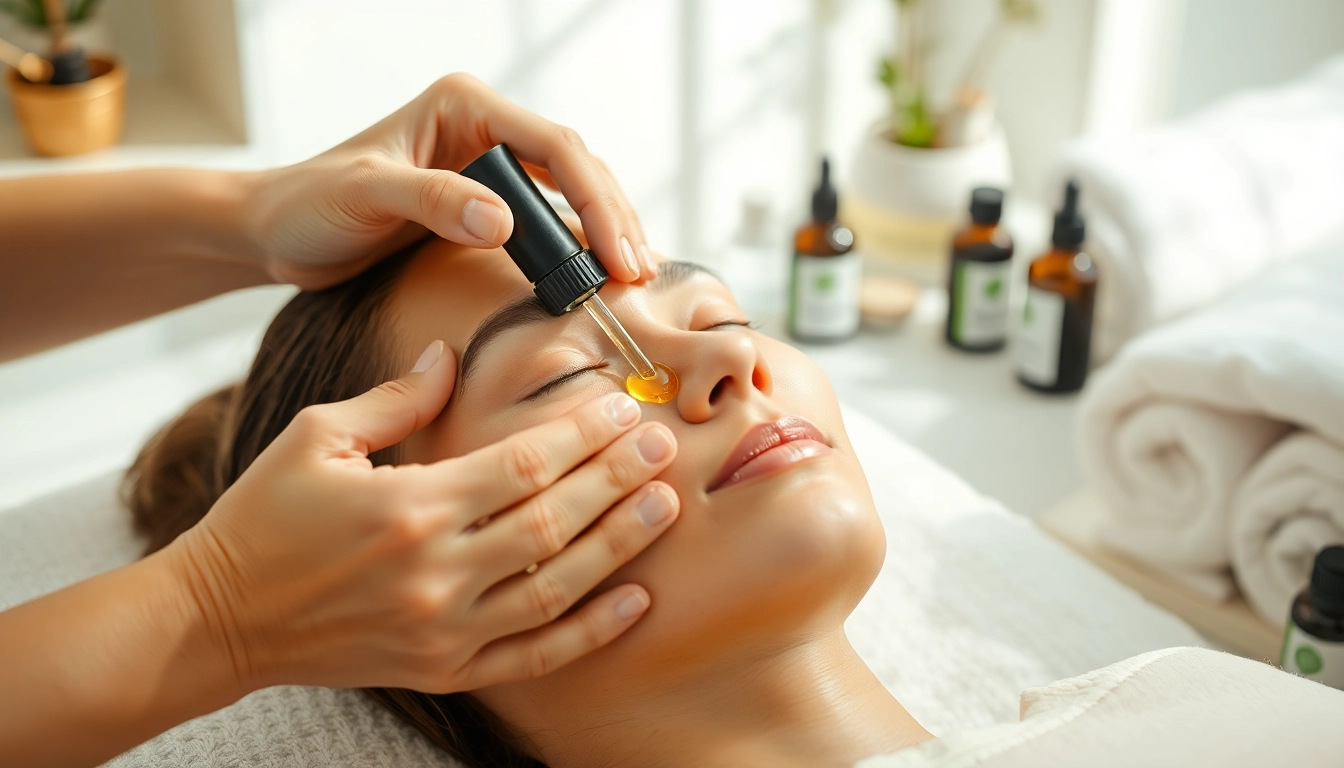
Using CBD oil effectively requires understanding various application methods. Topical application is the most common way to reap its benefits. Users can apply it directly to the skin, blending it with lotions or creams, or using it as part of a facial serum. For best results, start with a small amount, gradually increasing as necessary to determine your skin's tolerance and response.
Dosage Guidelines
Determining the right dosage of CBD oil can be perplexing, as it varies depending on the individual's skin type, the product's concentration, and the area of application. A general recommendation is to begin with a lower potency, using it once or twice daily, and increase gradually if desired results are not observed. Always monitor your skin's response closely during this process.
Combining with Other Skincare Products
Integrating CBD oil into an existing skincare routine can enhance benefits. It works well when combined with other nourishing ingredients, such as hyaluronic acid or ferulic acid. For example, a moisturizer that includes CBD oil can offer deep hydration while combating inflammation, making it effective for troubled skin. However, one must ensure that other products are also compatible with CBD to avoid any adverse reactions.
Potential Side Effects of CBD Oil for Skin
Common Reactions
While CBD oil is generally considered safe for topical use, some individuals might experience mild reactions such as redness or irritation, especially if they have sensitive skin or allergies to certain ingredients. It is advisable to perform a patch test by applying a small amount to a discreet skin area and observing any reactions over 24 hours.
Safety Considerations
When using CBD oil, safety is paramount. Opt for products that have been tested for purity and potency—instead of using unverified brands, choose companies that offer third-party testing results. Additionally, ensure that the oil is sourced from quality hemp and complies with legal regulations for safety and efficacy.
Consultation with Professionals
For individuals with existing skin conditions or those considering CBD oil for specialized skincare needs, consulting with a dermatologist or skincare professional is essential. Experts can provide insights on suitability and help to tailor a regimen that optimally addresses individual skin concerns.
Choosing the Right CBD Oil for Skin Products
Identifying Quality Brands
Selecting high-quality CBD oil products is critical for achieving desired skincare results. Look for brands that prioritize transparency in sourcing their hemp and provide clear, accessible information on extraction methods used. Research user testimonials and reviews to gauge the effectiveness of a product and the reputation of the company.
Understanding Labels and Ingredients
A comprehensive understanding of product labels can help consumers make informed choices. Look for ingredients that either promote skin health or have known benefits for specific conditions. Products that include minimal artificial additives or fillers generally qualify as higher quality. Always prioritize broad-spectrum CBD oil over isolates, as it retains a wider range of cannabinoids.
Personalized Skincare Regimens
To fully harness the benefits of CBD oil for skin, consider a personalized skincare regimen that aligns with individual skin types and issues. Factors such as age, environment, and allergies can influence skin behavior. Customizing routines by incorporating CBD oil as an essential component can boost outcomes, ensuring that one’s skincare journey remains effective and rewarding.