Are You Making These Salvia Divinorum Seeds Mistakes? Essential Tips for 2026
Understanding Salvia Divinorum Seeds
Salvia Divinorum is a unique plant that has captured the interest of botanists, collectors, and psychoactive substance enthusiasts alike. When exploring options, Salvia Divinorum seeds represent a fascinating avenue for those interested in cultivating this rare species. Unlike typical garden plants, Salvia Divinorum has distinct characteristics that make its seeds and propagation methods a subject of considerable discussion.
What Are Salvia Divinorum Seeds?
Salvia divinorum seeds are the reproductive units of the plant, sourced from successful pollination of female flowers. The seeds are exceedingly rare since the plant does not easily flower in cultivation, which makes obtaining them a significant endeavor. Each flower has the potential to produce several seeds, but conditions for flowering and pollination are highly specific and infrequent.
How Do They Differ From Cuttings?
Understanding the difference between seeds and cuttings is crucial for anyone considering cultivating Salvia Divinorum. Cuttings are segments of the plant cloned from an existing plant, ensuring that the new plant is genetically identical to its parent. In contrast, seeds introduce genetic variability, which can enhance diversity within a collection.
The Importance of Genetic Diversity in Seeds
Genetic diversity is essential for plant health and resilience. Cultivating Salvia Divinorum from seeds allows for the potential development of unique phenotypes that may exhibit different growth patterns, leaf structures, or even variations in psychoactive properties. This diversity can be particularly valuable for researchers and hobbyists alike.
Where to Buy Salvia Divinorum Seeds Online
Trusted Online Retailers for Quality Seeds
When seeking to buy Salvia Divinorum seeds, it’s vital to consider reputable sources. Many online retailers may claim to offer genuine seeds; however, verifying authenticity and quality is paramount to ensure you receive viable products. Look for vendors with positive reviews and transparent practices regarding their supply and cultivation methods.
Evaluating Authenticity of Seed Sources
To accurately assess the authenticity of Salvia Divinorum seeds, potential buyers should look for evidence of successful cultivars. Authentic vendors often provide detailed descriptions of their seeds’ origins, including information on pollination practices and genetic lineage. This level of transparency can significantly enhance a buyer’s confidence.
Understanding Shipping and Discreet Delivery Options
Shipping practices are another consideration, particularly for those who may seek discretion in their purchases. Many reputable sellers offer discreet packaging to ensure the privacy of their customers. Always check the shipping policies before placing an order to ensure that they align with your preferences.
Successful Germination and Growth Techniques
Preparing Soil for Salvia Divinorum Seeds
Creating the ideal soil environment is essential for the successful germination of Salvia Divinorum seeds. A mix of high-quality potting soil, peat moss, and perlite is often recommended to promote drainage while retaining moisture. Ensuring a slightly acidic pH level can also stimulate seed germination and facilitate healthy growth.
Optimal Conditions for Germination
Salvia Divinorum seeds require warmth and humidity to germinate effectively. Maintaining a temperature range of 70-80°F coupled with consistent moisture levels can facilitate sprouting. Many growers utilize a humidity dome or a propagator to maintain the necessary humidity.
Common Mistakes to Avoid During Sprouting
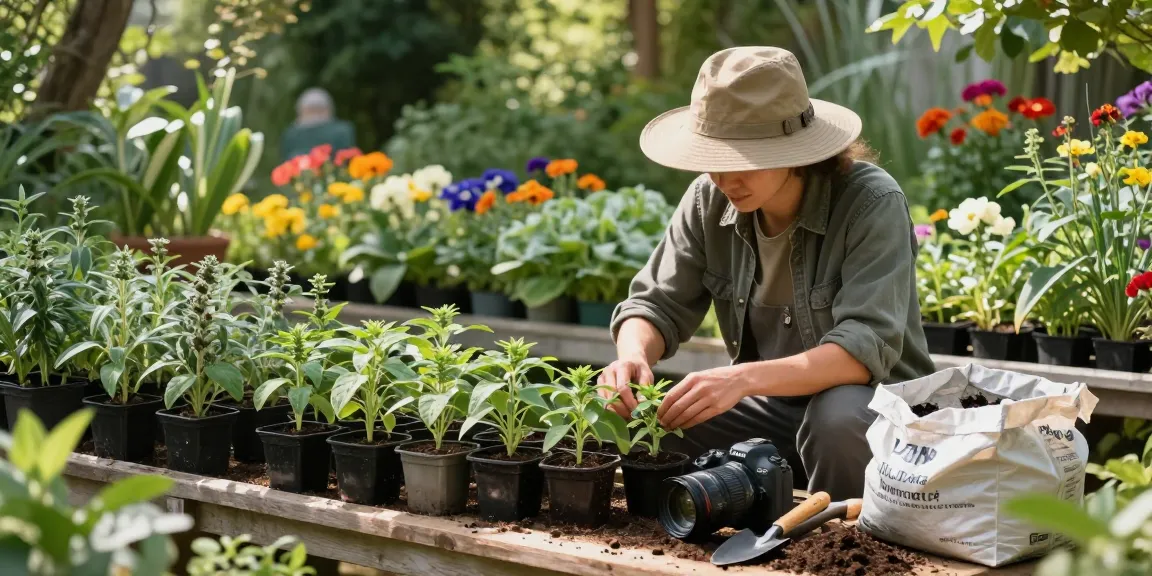
New growers often make several common mistakes that can impede successful germination. Over-watering is a frequent issue; it’s crucial to keep the soil just moist—not soaking wet. Additionally, providing too much direct sunlight may inhibit germination. It’s best to start seeds in a shaded area before gradually acclimatizing them to brighter conditions.
Health Benefits and Uses of Salvia Divinorum
Traditional Uses in Cultural Practices
Historically, Salvia Divinorum has been used by the Mazatec people of Mexico for spiritual and medicinal purposes. The leaves were traditionally chewed or made into infusions during rituals, allowing practitioners to access altered states of consciousness for divination and healing.
Understanding Psychoactive Properties
Salvia Divinorum contains salvinorin A, a potent psychoactive compound that interacts with the brain’s kappa-opioid receptors. This interaction can lead to intense hallucinations and shifts in perception, making it a substance of interest in both recreational and research settings.
Ethical Considerations in Cultivation
As interest in Salvia Divinorum grows, ethical cultivation practices become increasingly important. Growers should prioritize sourcing seeds responsibly and ensuring that cultivation does not harm wild populations. Sustainable practices not only support ecological balance but also contribute to the longevity of this fascinating plant.
Future Trends in Salvia Divinorum Cultivation
Emerging Techniques for Sustainable Growth
As our understanding of Salvia Divinorum evolves, so do the techniques for sustainable cultivation. Innovations in hydroponics and permaculture practices can provide more efficient ways to grow Salvia Divinorum, making it accessible for both enthusiasts and researchers.
Impact of Regulations on Seed Availability
Many regions have begun to implement stricter regulations regarding the sale and cultivation of psychoactive plants, including Salvia Divinorum. These regulations can directly affect the availability of seeds and plants, making it essential for growers to stay informed about legal changes in their areas.
Predictions for Salvia Divinorum’s Popularity by 2026
As awareness of the psychoactive properties of Salvia Divinorum continues to grow, it is likely that interest in both its cultivation and use will increase. Predictions indicate a rise in the number of local growers and enthusiasts, particularly in regions where legal frameworks support its cultivation.
What Are the Best Practices for Responsible Cultivation?
Responsible cultivation involves adhering to ethical practices, understanding legal boundaries, and ensuring sustainability. Growers should also be aware of the ecological impact their practices may have, striving to minimize unnecessary harm to both the environment and the plant’s genetic diversity.
How to Preserve Salvia Divinorum Genetic Lines?
Preservation of genetic lines can be achieved through careful cultivation practices that emphasize seed germination and limited use of cuttings. When cultivating from seeds, it is vital to track and document plant lineage to maintain genetic integrity over successive generations.
Maintaining Quality in Cultivation Environments
The quality of the cultivation environment significantly impacts the success of Salvia Divinorum growth. Factors such as light levels, humidity, and soil quality should be meticulously controlled to ensure plants thrive and exhibit desirable traits.
FAQs About Salvia Divinorum Seeds
How Do I Start Growing Salvia Divinorum from Seeds?
Starting with quality seeds, prepare your soil mix and ensure the right environmental conditions, including warmth and humidity. Follow best practices for germination, and be patient while the seeds sprout.
Are Salvia Divinorum Seeds Legal to Purchase?
The legal status of Salvia Divinorum seeds varies by region. It’s crucial to verify local regulations before purchasing to ensure compliance with any laws surrounding psychoactive plants.
What Conditions Are Best for Growing Salvia Divinorum?
Ideal conditions include warm temperatures, high humidity, and well-draining soil. Ensuring adequate light and moisture will help your plants thrive.
How Long Does It Take for Salvia Divinorum Seeds to Germinate?
Germination can take anywhere from a couple of weeks to several months, depending on environmental factors such as temperature and moisture levels.
Can I Use Salvia Divinorum Leaves for Other Purposes?
Yes, leaves can be used for traditional practices, medicinal applications, or as a means to explore psychoactive effects. However, always exercise caution and respect local regulations regarding usage.